Swim comparison · Personal wardrobe evidence
Plunge or
bandeau?
A plunging one-piece and a bandeau bikini can both look at home in a resort wardrobe. Neither shape automatically makes the strongest choice for active swimming.
Editorial basis: This comparison draws on the founder’s experience owning both silhouettes: a black plunging one-piece and a brown Anemos LA bandeau bikini with a high-waisted bottom. It contains no affiliate links.
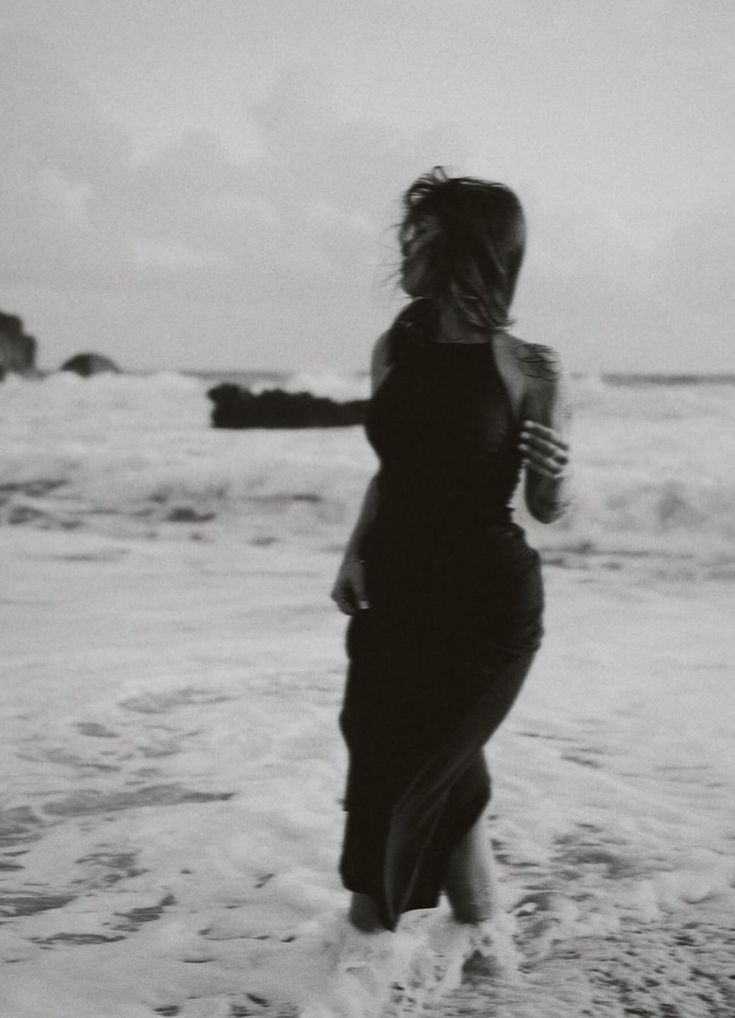
The short answer
Choose the plunging one-piece when the priority is a dramatic, continuous silhouette and easy pairing beneath resort layers. Choose the bandeau and high-waisted bikini when separate sizing, waist definition and a composed two-piece proportion matter more.
For active swimming, neither of the examples in my wardrobe is the first choice. The black plunge is stylish but difficult to move and swim in. The brown bandeau set is comfortable and flattering, but better for relaxing than sustained swimming.
At a glance
Strongest visual line: plunging one-piece.
Strongest waist definition: high-waisted bikini.
Most comfortable in my experience: bandeau bikini.
Best for active swimming: neither of these two specific pieces.
Best use: resort pool, beach lunch and relaxed coastal time.
Silhouette
The one-piece creates one uninterrupted line through the torso. A deep V directs attention vertically and gives a simple black swimsuit a strong focal point. It can feel polished with very little additional styling.
The bikini divides the torso into two shapes. The bandeau establishes a horizontal upper line, while the high-waisted bottom returns emphasis to the waist. In brown, the result feels warm, tonal and intentionally resort-oriented.
Comfort
The bandeau set is the more comfortable of my two examples for relaxed wear. The high-waisted bottom is flattering, and the set works well when the day centres on reclining, gentle movement and time away from the water.
The plunging one-piece prioritises visual effect more clearly. Its neckline is the feature I like, but the difficulty moving and swimming limits how long I can treat it as practical swimwear.
Security and movement
A one-piece may appear secure because it covers more of the torso, but coverage and neckline security are different questions. A deep front can still require attention when bending, reaching or entering the water.
A bandeau removes shoulder straps, which gives it a clean appearance beneath resort layers. It also means the top’s construction has to provide security without those straps. In my experience, this set is comfortable, but I still consider it a relaxing rather than active-swimming choice.
- Raise both arms and check whether the neckline or bandeau shifts.
- Bend forward and assess coverage from several angles.
- Take long steps and simulate climbing out of a pool.
- Check the fit after movement rather than only when adjusted.
- Ask whether monitoring the garment will distract from the activity.
Resort styling
The black one-piece works as a simple base beneath a shirt, skirt or fluid trouser. Its uninterrupted colour makes it behave similarly to a bodysuit in a resort outfit, although comfort beneath clothing still needs to be tested.
The brown bikini creates a softer tonal starting point. Cream, white, tan, black and raffia work easily around it. The bandeau is particularly clean beneath an open shirt, while the high waist can look considered with a wrap or relaxed trouser.
Changing and practicality
A bikini allows the top and bottom to be managed separately and may offer better sizing flexibility when sold as separates. A one-piece is visually simple but can be less convenient away from the water.
Neither format is universally easier. Think about the full day: changing, bathroom breaks, layers, walking, swimming and how often the garment will be wet beneath clothing.
Coverage
A one-piece covers more of the torso, but a plunge deliberately opens the front. A high-waisted bottom increases lower-torso coverage while the bandeau leaves the shoulders uncovered. Coverage should be evaluated by area and activity rather than by category name.
Neither swimsuit should replace a broader sun-protection plan. Resort styling needs to leave room for covering clothing, sunscreen, a suitable hat, sunglasses and shade.
Who should choose the plunging one-piece?
- Someone prioritising a strong, continuous silhouette.
- Someone who wants a swimsuit that can sit beneath simple resort layers.
- Someone planning a lower-activity day around the water.
- Someone willing to test the neckline carefully for movement and security.
Who should choose the bandeau and high waist?
- Someone who prefers visible waist definition and greater lower coverage.
- Someone building a warm, tonal resort wardrobe.
- Someone who values relaxed comfort more than swimming performance.
- Someone who benefits from separate top and bottom sizing, where available.
Who should choose neither?
If the day is centred on laps, waves, diving, water sports or energetic movement, choose a design tested for those demands. Secure straps, stable coverage and confidence through movement should outrank a dramatic neckline or strap-free line.
A useful swim wardrobe can contain both kinds of product: a reliable active suit and a style-led resort choice. The mistake is expecting the style-led piece to perform a job it was not chosen to do.
The verdict
For pure visual impact, the black plunging one-piece has the stronger continuous line. For relaxed comfort and a flattering, composed two-piece shape, I prefer the brown bandeau and high-waisted bikini.
For active swimming, I would choose a third option. That conclusion is more useful than declaring either garment an overall winner. The right choice depends on the activity, and these two examples belong most naturally to the slower side of resort life.
The exact product models have not been verified, so this comparison makes no claim about their style names, compositions, current prices or availability.